
.jpeg)
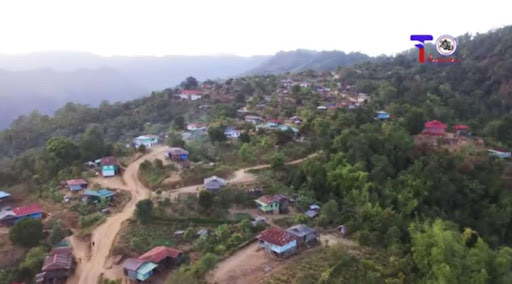
Lungler is a village located in Thantlang Township, Chin State, Myanmar. It is situated approximately 55 miles from Hakha City and lies at an elevation of about 5,300 feet above sea level.
Lungler was founded in AD 1830 by Pu Thang Bil (Mualcin), Pu Lian Or (Hlawnceu), Pu Chawn Cir (Bawitlung), Pu Run Khar (Siakhel), Pu Chawn Al (Hrangtlung), Pu Khen Thio (Tanglai), Pu Dar Hlun (Cunthang), Pu Than Cung (Thihlum), Pu Vil Kual (Mualhlun), and Pu Pial Dawn (Vanngiang).
Neighboring Villages
Lungler is bordered by several neighboring villages:
- East: Lungding and Zangtlang
- West: Bungkhua, Ralpel, and Fungkah
Mountains and Streams
Lungler is surrounded by beautiful mountains and flowing streams.
Mountains
Eastern Mountains:
- Khuaitlang
- Thannakbo
- Bawktlang
- Farbo
- Ngarawhbo
Western Mountains:
- Thingaicannaktlang
- Tlaitlangbo
- Siasihtlang
- Thanglungtlang
- Pamnaktlang
Streams
Eastern Streams:
- Thingva
- Niva
- Zaangva
- Vanvukva
- Khuaiva
- Ngalva
- Saibualva
- Saisihva
Western Streams:
- Siasihva
- Bawktangva
- Kanglangva
These natural features support agriculture and contribute to the village’s scenic landscape.
Religion and Churches
The first missionary workers in Lungler Village were Rev. Chan Thang, Rev. No Iap, Saya Bil Ceu, Saya Leng Khuai, and Saya Bual Iap.
There are five Christian denominations in the village:
- Baptist Church
- Church on the Rock
- Evangelical Free Church of Myanmar
- Methodist Church
- Presbyterian Church
Current Pastors
- Lungler Baptist Church: Bawi Ram Par and Cung Nawn
- Church on the Rock: Rev. Chan Cung
- Methodist Church: Van Dawt Thang
- Evangelical Free Church of Myanmar: Peng Thang (Senior Pastor)
- Presbyterian Church: Van Duh Bik
Education and Population
Lungler Village has educational facilities that allow students to study up to the High School level. The primary livelihood of the villagers is farming and shifting cultivation.
The village consists of approximately 265 households with a total population of about 1,150 people.